
Can You Put a Pergola on a Deck? A Simple Guide to Creating Your Dream Outdoor Space
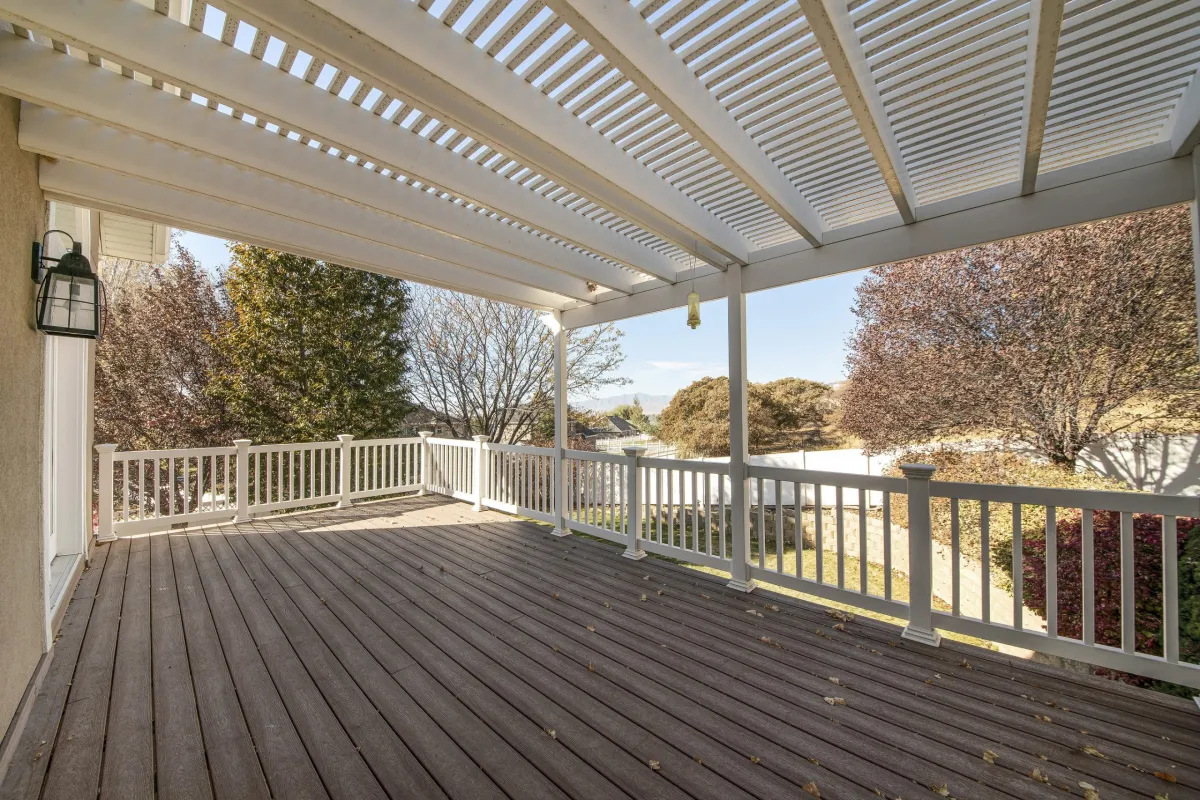
Imagine stepping onto your deck on a sunny afternoon, but instead of feeling the full heat of the sun, you're relaxing under the dappled shade of a beautiful pergola. Sounds wonderful, doesn't it?
Many homeowners dream of adding this charming structure to their outdoor space, but often wonder: can you put a pergola on a deck? The short answer is yes! With the right planning and preparation, your deck can become an even more inviting outdoor retreat with a pergola overhead.
We understand that adding a pergola to your existing deck might seem like a big project. But don't worry! This guide will walk you through everything you need to know to make it happen safely and successfully.
Can I Put a Pergola on My Deck? What You Need to Know First
Before you start building, there are some important things to check:
1. Check Your Deck's Structure
First, make sure your deck can handle the extra weight.
According to the North American Deck and Railing Association, a typical deck should be able to support at least 50 pounds per square foot. A pergola can add significant weight, especially if you plan to add climbing plants or hanging features.
Ask yourself:
Was your deck built to support just people, or can it handle structures too?
How old is your deck? Older decks might need reinforcement.
Are there signs of wear like sagging or loose boards?
If you're not sure, hire a professional inspector to check your deck's condition before adding anything to it.
2. Check Local Building Codes
Different places have different rules about outdoor structures.
Call your local building department or check their website. You might need a permit to add a pergola to your deck. According to This Old House, many areas require permits for structures over a certain size or height.
Ask about:
Permit requirements
Height restrictions
Distance required from property lines
Any homeowner association rules
Getting permits might seem like extra work, but they help make sure your pergola is safe and won't cause problems when you sell your home.
How to Add a Pergola to Your Deck: Step-by-Step Guide
Now let's look at the actual process of adding a pergola to your deck.
Step 1: Plan Your Pergola Design
Decide what style of pergola will work best on your deck.
Consider these options:
Attached pergola: Connects to your house on one side
Freestanding pergola: Stands independently on your deck
Corner pergola: Fits into a corner of your deck
Full-coverage pergola: Covers your entire deck
Better Homes & Gardens suggests matching your pergola style to your home's architecture for the best look.
Step 2: Choose the Right Materials
Pick materials that will last and look good with your existing deck.
Popular options include:
Cedar or redwood: Natural resistance to rot and insects
Pressure-treated pine: Affordable and durable
Vinyl or fiberglass: No maintenance needed
Aluminum: Lightweight and won't rust
The American Wood Council recommends using rot-resistant woods for outdoor structures, especially if you plan to add plants that will be watered regularly.
Step 3: Reinforce Your Deck if Needed
Make sure your deck can support your new pergola.
Follow these steps:
Add additional support posts under the deck where pergola posts will be placed
Install additional joists to distribute the weight
Reinforce the existing beams with sister joists
Add diagonal bracing for extra stability
Decks.com provides detailed information on properly reinforcing deck structures for additional weight.
Step 4: Install Proper Footings and Post Anchors
Secure attachment is crucial for stability and safety.
Do this:
Mark exactly where each pergola post will stand
Install heavy-duty post bases or anchors at each location
Make sure anchors are rated for the size and weight of your pergola
Use stainless steel or galvanized hardware to prevent rust
According to Simpson Strong-Tie, one of the leading manufacturers of structural connectors, proper hardware is essential for safely connecting outdoor structures.
Step 5: Assemble and Install the Pergola
Now you're ready to put it all together!
Follow these steps:
Install the posts first, making sure they're perfectly plumb (straight up and down)
Attach the support beams across the tops of the posts
Add the rafters perpendicular to the beams
Install the slats or purlins across the top of the rafters
Add any decorative elements or end cuts
Take your time with this step. According to Popular Mechanics, most structural failures happen because of incorrect assembly or installation.
Step 6: Apply Weather Protection
Protect your investment with proper sealing and finishing.
Do this:
Sand any rough edges
Apply a high-quality exterior sealer or stain
Make sure to coat all sides of the wood, including cut ends
Reapply sealer every 2-3 years or as recommended
Consumer Reports tests show that quality sealers can extend the life of outdoor wood structures by many years.
If you're wondering how often to seal deck surfaces once your pergola is installed, keep in mind that the shaded areas underneath will typically need resealing less frequently than the rest of your deck exposed to direct sun — the pergola's own coverage naturally slows UV degradation on the boards beneath it.
Consumer Reports tests show that quality sealers can extend the life of outdoor wood structures by many years.
Common Questions About Putting a Pergola on a Deck
How Much Weight Can My Deck Support?|
Most residential decks are designed to hold 40-60 pounds per square foot.
A typical pergola can weigh 500-3,000 pounds depending on size and materials. This weight needs to be properly distributed across your deck structure. The International Residential Code provides specific guidelines for deck loads.
Should I Hire a Professional or DIY?
Consider your experience level and the complexity of the project.
A simple pergola might be suitable for experienced DIYers, but complex designs or decks needing significant reinforcement might require professional help. According to HomeAdvisor, professional pergola installation typically costs between $2,000 and $5,000.
What's the Best Time of Year to Install a Pergola?
Mild, dry weather is ideal for this project.
Late spring or early fall often provides the best working conditions. Avoid extreme heat or cold, which can make the work harder and might affect how materials like wood behave.
Conclusion
Adding a pergola to your deck is a wonderful way to enhance your outdoor living space. It provides shade, defines the area, and creates a charming focal point for gatherings with family and friends.
As we've seen, the answer to "can you put a pergola on a deck?" is absolutely yes—with proper planning, reinforcement if needed, and careful installation. Just remember to check your deck's structure, follow local building codes, and use appropriate materials and hardware.
We hope this guide has given you the confidence to transform your deck into the outdoor oasis you've been dreaming of. Happy building!
If you're in The Woodlands or Greensboro check our local service page for pricing

© 2026 | All Rights Reserved | Privacy Policy