
How to Build a Deck Around a Pool: Your Complete Guide
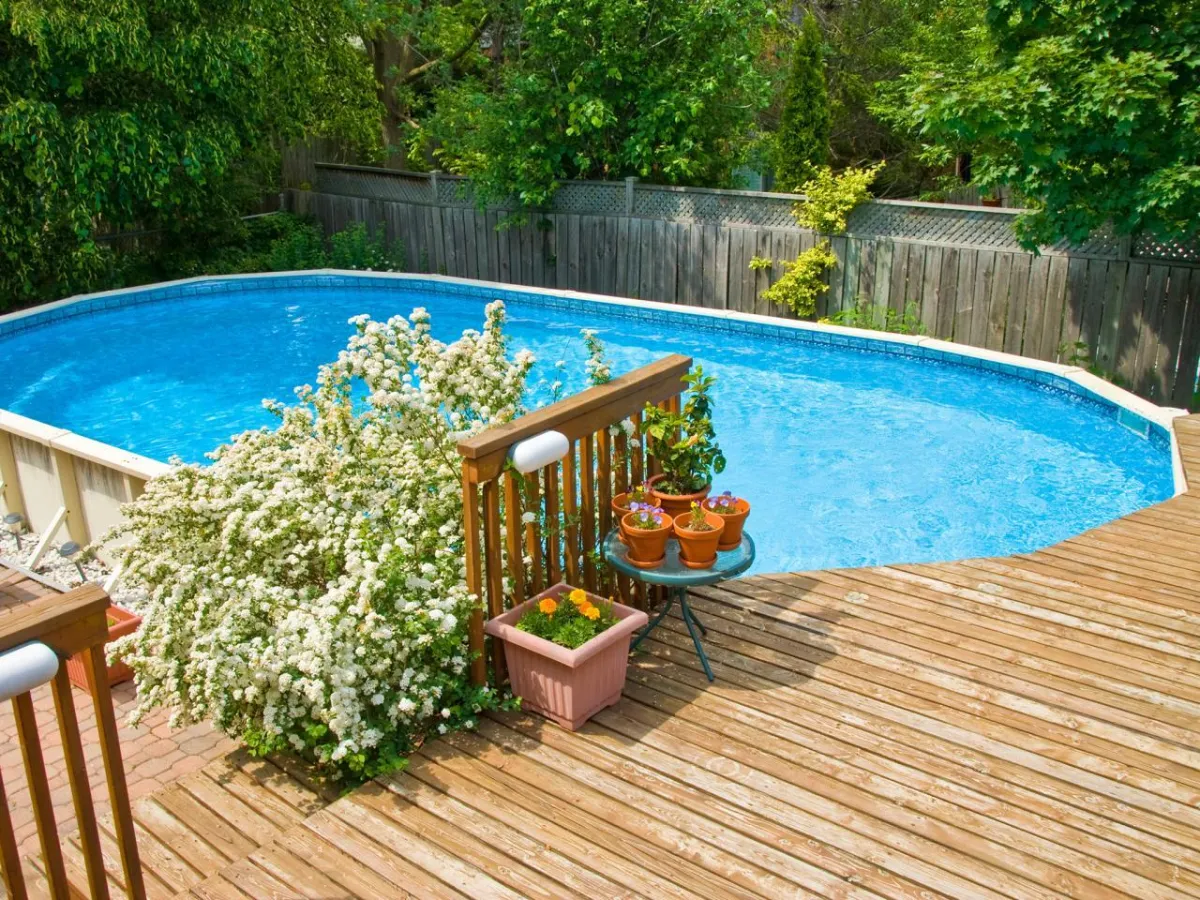
Dreaming of transforming your pool area into a beautiful outdoor oasis? Learning how to build a deck around a pool might seem overwhelming at first, but don't worry - we're here to guide you through every step of this exciting project.
Whether you're a seasoned DIY enthusiast or just starting your home improvement journey, this comprehensive guide will help you create the perfect pool deck that your family will enjoy for years to come.
Understanding the Basics Before You Begin
Before we dive into the construction process, let's talk about what makes pool decks special. According to the North American Deck and Railing Association (NADRA), pool decks need specific considerations for safety and durability that regular decks don't require. The combination of constant moisture, pool chemicals, and heavy foot traffic creates unique challenges that demand careful planning and proper materials.
Time and Cost Considerations
One of the most common questions we hear is "how long does it take to build a deck around a pool?" While every project is different, most pool decks typically take between 2-4 weeks to complete. The International Association of Certified Home Inspectors notes that weather conditions and deck size can affect this timeline significantly.
When considering how much to build a deck around a pool, the average cost ranges from $15,000 to $45,000, according to HomeAdvisor's latest data. This investment varies based on:
Size of the deck (average cost per square foot ranges from $30 to $75)
Materials chosen (composite materials cost 30-60% more than pressure-treated wood)
Local labor costs (typically 50-60% of total project cost)
Complexity of design (custom features can increase costs by 20-30%)
Additional features (stairs, lighting, built-in seating, etc.)
Essential Planning Steps
1. Check Local Regulations
Before starting any construction, you must:
Contact your local building department for permit requirements
Review pool safety regulations
Check setback requirements
Verify homeowner's association rules (if applicable)
Obtain necessary inspections throughout the building process
The International Swimming Pool and Spa Code requires specific safety features for pool decks, including:
Non-slip surfaces with a minimum coefficient of friction
Proper drainage systems to prevent standing water
Adequate lighting provisions for nighttime safety
Safety railings in areas with elevation changes
Proper electrical grounding for any metal components
2. Design Your Deck
The National Association of Home Builders suggests asking yourself these crucial questions during the design phase:
How will you use the space? (Sunbathing, dining, entertaining?)
What's your preferred traffic flow around the pool?
Where will pool equipment be accessed for maintenance?
Do you need storage space for pool supplies?
How will the deck complement your home's architecture?
What views do you want to enhance or screen?
How to Build a Deck Around a Pool: Step-by-Step Guide
Phase 1: Preparation (3-5 days)
Mark your deck outline using stakes and string
Call utility companies to mark underground lines (required by law)
Clear and level the construction area
Take detailed measurements and create a materials list
Order materials with 10-15% extra for waste and mistakes
Arrange for material delivery and storage
Phase 2: Foundation Work (5-7 days)
The National Association of Home Builders emphasizes that proper foundation is crucial for pool decks. Follow these steps:
Dig footing holes according to your local frost line depth
Install concrete footings (allow proper curing time)
Add post anchors with proper corrosion resistance
Set support posts using temporary bracing
Ensure all posts are level and properly secured
Have foundation inspected if required by local code
Phase 3: Frame Construction (5-7 days)
Install the ledger board if attaching to house
Add support beams sized according to span tables
Install joists with proper spacing and hangers
Add blocking between joists for stability
Install joist tape or flashing for water protection
Check everything is level and square
Have framing inspected if required
Phase 4: Decking Installation (5-7 days)
Start laying decking boards perpendicular to joists
Leave proper spacing between boards for drainage (1/8" to 1/4")
Ensure boards are straight and properly secured
Cut boards to fit around pool edges and corners
Install trim and fascia boards
Add any special features (built-in seating, planters)
Special Considerations for Pool Decks
Material Selection
The American Wood Protection Association recommends these moisture-resistant materials:
Pressure-treated lumber (most economical but requires maintenance)
Composite decking (higher cost but lower maintenance)
PVC decking (excellent water resistance)
Tropical hardwoods (beautiful but expensive)
Each material has specific installation requirements:
Pressure-treated lumber needs special corrosion-resistant fasteners
Composite decking requires proper gapping for thermal expansion
PVC decking needs adequate ventilation underneath
Tropical hardwoods often need pre-drilling to prevent splitting
Safety Features
Install these essential safety elements:
Non-slip decking surface (tested wet and dry)
Proper railings where required (typically 36" minimum height)
Adequate lighting (path lights, step lights, ambient lighting)
Self-closing gates (if required by code)
Proper signage for depth markers and safety rules
Professional Tips and Tricks
When considering how to build a deck around a pool, professional builders suggest:
Start with the most visible boards and work toward less noticeable areas
Use chalk lines for straight board installation
Install blocking wherever railings will be attached
Consider future maintenance access when designing
Plan for proper water drainage away from both pool and house
Install extra supports under heavy features like hot tubs or planters
Long-Term Maintenance Tips
To protect your investment, regularly:
Inspect for loose boards or hardware monthly
Clean the surface to prevent slipping (quarterly)
Check drainage systems (spring and fall)
Reseal wood decking annually (if applicable)
Test railings and gates for stability (monthly)
Examine for signs of water damage or rot (quarterly)
Common Challenges and Solutions
Drainage Issues
Install decking with proper gaps
Create slight slope away from pool (1/8" per foot minimum)
Use proper waterproofing methods
Install drain channels where needed
Consider permeable solutions for problem areas
Level Changes
Add steps where needed (maximum 7" rise per step)
Ensure proper support for different heights
Include safety railings at elevation changes
Use proper flashing at all level changes
Consider ramps for accessibility
If you're wondering how wide should deck stairs be around a pool specifically, most codes require a minimum of 36 inches for standard residential stairs, though many pool deck builders go wider — often 4 feet or more — to comfortably accommodate wet feet, pool floats, and multiple people moving in and out of the water at once.
Time-Saving Tips
To optimize how long it takes to build a deck around a pool:
Pre-plan all materials and deliveries
Rent specialized tools when needed
Consider hiring help for complex phases
Work during optimal weather conditions
Have all inspections scheduled in advance
Prepare alternate plans for weather delays
Cost-Saving Strategies
When considering how much would it cost to build a deck around a pool, save money by:
Comparing material prices from multiple suppliers
Buying in bulk when possible
Timing your purchase during off-season sales
Doing proper preparation work yourself
Choosing simpler designs that require less custom cutting
Planning efficient use of materials to minimize waste
Final Thoughts and Safety Reminders
Remember, learning how to build a deck around a pool is a significant project that requires careful planning and attention to detail. Take your time with each step, double-check your measurements, and never hesitate to consult professionals when needed. Your safety and the safety of your family depend on proper construction and maintenance.
Your new pool deck will not only enhance your outdoor living space but also increase your property's value. By following this guide and maintaining proper safety standards, you'll create a beautiful and durable deck that your family can enjoy for years to come.
Whether you choose to tackle this project yourself or hire professionals, understanding how to build a deck around a pool helps ensure you get the best possible result for your investment. The key is careful planning, attention to detail, and a commitment to safety at every step of the process.
If you're in Tucson or Tempe check our local service page for pricing

© 2026 | All Rights Reserved | Privacy Policy