
What Cement to Use for Deck Posts: A Complete Guide
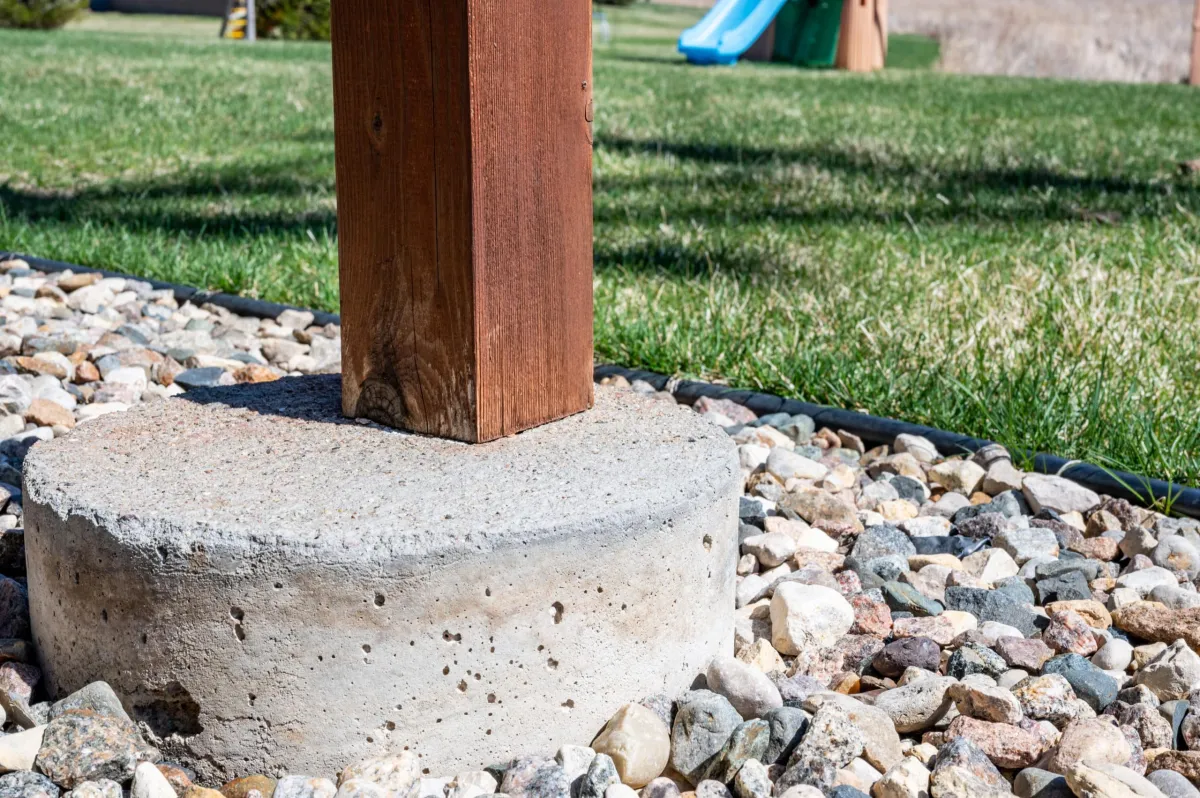
Are you planning to build a deck but feeling confused about the foundation? Choosing what cement to use for deck posts is crucial for your deck's stability and longevity. Don't worry - we're here to guide you through selecting the perfect cement mix for your project.
Building a deck is exciting, but it needs a solid foundation to stand the test of time. Let's explore how to choose the best concrete for your deck posts and ensure your outdoor space stays safe and stable for years to come.
Understanding Concrete Basics
Before diving into specific products, let's understand what makes the best cement for deck posts. According to the American Concrete Institute, several key factors determine concrete quality:
Strength Ratings
Light-Duty: 2500-3000 PSI
Medium-Duty: 3000-4000 PSI
Heavy-Duty: 4000+ PSI
Important Properties
Compressive strength (measured in PSI)
Quick curing time
Weather resistance
Easy mixing properties
Cost-effectiveness
Freeze-thaw durability
Water resistance
Mix Components
Quality concrete contains:
Portland cement (binding agent)
Aggregates (stone and sand)
Water (activation agent)
Air entrainment (freeze protection)
Optional strengthening fibers
Types of Concrete for Deck Posts
Fast-Setting Concrete
According to the Portland Cement Association, fast-setting concrete offers several benefits:
Sets in 20-40 minutes
Reaches 4000 PSI strength
Perfect for small projects
Requires no mixing
Ideal for weekend DIY projects
Traditional Mix Concrete
The best concrete for deck posts often includes:
Portland cement
Aggregates
Water
Optional additives
Recommended Products
Based on professional contractor recommendations and building codes:
Quikrete Fast-Setting Concrete
Sets in 20-40 minutes
No mixing required
4000 PSI strength
Sakrete High-Strength Concrete
5000+ PSI strength
Professional grade
Excellent durability
Portland Type I/II Cement Mix
Traditional reliability
Custom mix control
Cost-effective
How to Calculate Needed Amount
For proper deck post installation:
Measure hole dimensions
Use this formula:
(Diameter² × depth × 1.2) ÷ 27 = cubic yards needed
Add 10% extra for waste
Step-by-Step Installation Guide
1. Preparation
Mark post locations using spray paint
Check local building codes for depth requirements
Gather all required tools and materials
Calculate concrete needed plus 10% extra
Set up mixing station
Arrange proper drainage
Check weather forecast
2. Hole Digging
Dig below local frost line
Make holes 3× post width
Ensure proper depth (typically 1/3 post length)
Keep sides straight and clean
Remove loose soil
Check hole dimensions
Place gravel for drainage
If you're unsure whether these dimensions meet your area's deck footer requirements, most codes call for footings at least 12 inches deep in warm climates, extending to 3-4 feet in regions with hard freezes — always confirm the exact specification with your local building department before digging, since undersized footings are one of the most common reasons deck inspections fail.
3. Post Placement
Center posts in holes carefully
Brace temporarily with 2x4s
Check for plumb with level
Maintain proper height
Mark water level lines
Secure bracing
Double-check measurements
4. Mixing Concrete
For traditional mix:
Pour dry mix into wheelbarrow
Add water gradually
Mix thoroughly
Achieve proper consistency
For fast-setting:
Pour dry mix in hole
Add recommended water
Let it set naturally
5. Pouring Process
Fill hole 1/3 at a time
Check post position
Add water as needed
Slope surface for drainage
Important Considerations
Climate Factors
Consider your local weather:
Frost depth requirements
Annual rainfall
Temperature fluctuations
Soil conditions
Safety and Environmental Considerations
Personal Protection
Always use proper safety equipment:
Safety glasses
Work gloves
Steel-toe boots
Dust mask
Hard hat
Back support
Knee pads
Environmental Impact
Consider these eco-friendly practices:
Use sustainable materials
Minimize waste
Recycle excess concrete
Protect local vegetation
Control dust and runoff
Follow disposal regulations
Choose low-impact products
Site Protection
Protect your work area:
Cover nearby plants
Create cleanup station
Use drop cloths
Protect walking surfaces
Shield nearby structures
Control water runoff
Mark off work zone
Troubleshooting Common Issues
Concrete Setting Problems
If you encounter these issues during installation:
Slow Setting
Check temperature conditions
Verify water ratio
Protect from rain
Consider accelerant additives
Fast Setting
Add retarding admixture
Use cold water for mixing
Work in smaller batches
Keep tools ready
Uneven Setting
Check soil conditions
Verify hole dimensions
Monitor water content
Ensure proper mixing
Post-Installation Issues
Consider these points carefully:
Concrete Cracking
Identify crack type
Measure crack width
Document progression
Apply appropriate repairs
Post Movement
Check soil stability
Verify concrete depth
Inspect bracing
Consider reinforcement
Water Damage
Improve drainage
Apply waterproof coating
Install water barriers
Monitor regularly
Cost Considerations
Budget factors include:
Concrete quality
Project size
Labor costs
Tools needed
Local material prices
Professional Installation Tips
Proper Tool Selection
Essential tools for the job:
Post hole digger or power auger
Wheelbarrow for mixing
Concrete mixing hoe
Level (2-foot and 4-foot)
Measuring tape
String lines
Marking spray paint
Safety equipment
Weather Considerations
According to the National Weather Service, ideal conditions include:
Temperatures between 50-85°F
No rain in forecast for 24 hours
Low wind conditions
Moderate humidity
Morning start time
Mixing Station Setup
Create an efficient workspace:
Level ground surface
Close to water source
Easy wheelbarrow access
Cleanup area
Material storage
Tool organization
First aid kit nearby
Quality Control Measures
Ensure perfect results:
Test soil composition
Check moisture content
Verify mix consistency
Monitor curing conditions
Document installation
Take progress photos
Keep material receipts
When to Call a Professional
Consider professional help if:
Large project scope
Complex terrain
Code compliance issues
Limited experience
Time constraints
Long-term Maintenance
Ensure lasting results by following these essential maintenance practices:
Regular Inspections
Perform these checks every six months:
Look for cracks or chips
Check post stability
Monitor ground settling
Inspect water drainage
Examine post-to-deck connections
Test overall structure stability
Document any changes
Preventive Measures
Take these steps to prevent problems:
Apply waterproof sealant annually
Clean debris from post bases
Maintain proper drainage
Remove invasive plant growth
Check for pest damage
Address small issues promptly
Keep maintenance records
Problem Signs to Watch
Look out for these warning signals:
Vertical cracks in concrete
Post movement or tilting
Water pooling around posts
Rust stains on concrete
Flaking or scaling surface
Deck movement or squeaking
Changes in post alignment
Conclusion
Choosing what cement to use for deck posts is crucial for building a safe, lasting structure. By following these guidelines and selecting the right concrete mix, you'll create a solid foundation that will support your deck for many years to come.
Want more home improvement guides? Check out our other helpful articles for your DIY projects!

© 2026 | All Rights Reserved | Privacy Policy