
Deck Building Nails vs Screws: The Ultimate Guide to Choosing the Right Fastener
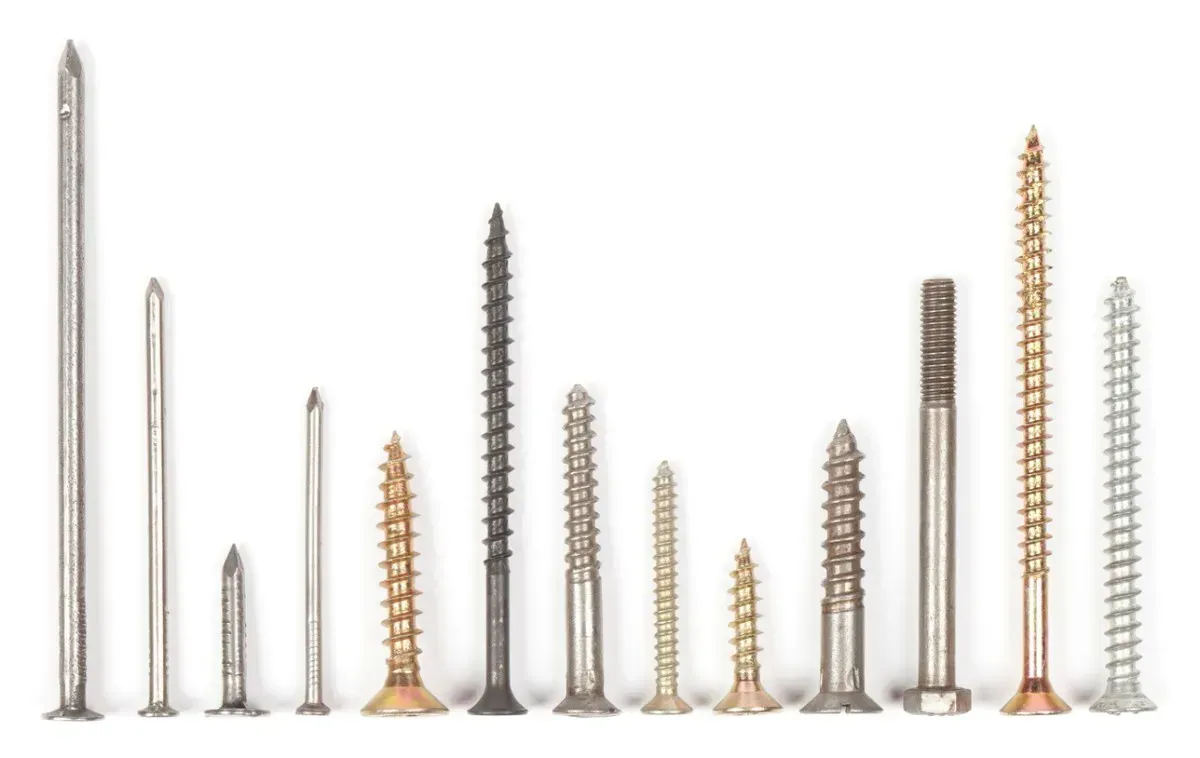
Are you standing in the hardware store, staring at rows of fasteners, wondering which one is right for your deck project?
When it comes to deck building nails vs screws, making the right choice can mean the difference between a deck that lasts for decades and one that needs constant repairs.
We understand your confusion.
After all, both options look sturdy enough, right? Don't worry - we're here to help you make the best choice for your deck project.
Understanding Fastener Basics
Before we dive into the details of deck building nails vs screws, let's understand what makes a quality fastener. According to The Family Handyman, three key factors determine fastener quality:
Material composition
Coating type
Manufacturing process
Understanding these basics will help you make a better choice for your project.
Why Your Fastener Choice Matters
Before diving into the debate of building a deck nails or screws, let's understand why this decision is so crucial. According to the North American Deck and Railing Association, improper fastener selection is one of the top reasons for deck failures.
Your choice affects:
How long your deck will last
How much maintenance it needs
The overall safety of your structure
The final look of your deck
The Great Debate: Nails vs Screws
Nail Advantages
When considering deck building nails vs screws, here's why nails might be your best choice:
Better shear strength according to Faster installation time
Lower material cost
More flexible with wood movement
Traditional choice for framing
Nail Disadvantages
Can loosen over time
Harder to remove if needed
May leave visible heads
Can cause splitting in some woods
Screw Advantages
When choosing between building a deck nails or screws, screws offer these benefits:
Superior holding power
Easier to remove if needed
Cleaner finished appearance
Less likely to pop up over time
Better for visible surfaces
Screw Disadvantages
More expensive than nails
Slower installation process
Can snap under stress
May not meet code in some structural applications
Common Fastener Mistakes to Avoid
When deciding between building a deck nails or screws, watch out for these common mistakes:
Using indoor fasteners outdoors
Mixing different metals
Choosing the wrong length
Skipping pre-drilling when needed
Using cheap, low-quality fasteners
Making Your Choice: A Practical Guide
Consider Your Project Area
Different parts of your deck need different fasteners:
Structural Framing
Use 16d hot-dipped galvanized nails
Follow local building codes
Check manufacturer specifications
Decking Boards
Use deck screws for better holding
Choose proper length for board thickness
Select corrosion-resistant options
Railings
Use screws for safety
Consider hidden fasteners
Choose matching colors
Cost Comparison
When debating deck building nails vs screws, consider these costs:
Nails: $30-50 per thousand
Screws: $50-100 per thousand
Hidden fasteners: $100-200 per thousand
Tools for Success
Before installing your chosen fasteners for deck building nails vs screws, gather these essential tools:
For Nails:
Framing hammer
Pneumatic nailer
Nail set
Safety glasses
Work gloves
For Screws:
Impact driver
Drill/driver
Magnetic bit holder
Countersink bit
Safety equipment
Installation Tips
Using Nails
Choose the right size
Use a pneumatic nailer for efficiency
Check for proper depth
Pre-drill when necessary
Using Screws
Select appropriate length
Use impact driver for faster installation
Countersink properly
Space correctly
Professional Recommendations
The American Wood Council suggests:
Use nails for structural connections
Choose screws for decking
Combine both for optimal results
Always follow local building codes
Material Considerations
Your choice between deck building nails vs screws also depends on your decking material:
Pressure-treated lumber
Hot-dipped galvanized or stainless steel
Both nails and screws work well
Cedar or redwood
Stainless steel recommended
Screws prevent splitting
Composite decking
Special composite screws
Hidden fastener systems
Special Applications
When working on unique deck features, your choice of deck building nails vs screws becomes even more important:
Stairs
Use structural screws for stringers
Apply three fasteners per tread
Consider anti-slip strip attachment
Built-in Benches
Use lag screws for support
Add reinforcement brackets
Consider aesthetic fastener placement
Pergolas
Use through-bolts for posts
Apply structural screws for rafters
Consider decorative hardware
For pergola posts especially, proper concrete deck support at the base matters just as much as the fasteners connecting the structure above — a pergola post anchored into a shallow or undersized footing can shift over time regardless of how well the hardware up top is installed, so it's worth confirming your footing depth meets local frost line requirements before finalizing fastener choices.
Weather Factors
Consider your climate when choosing fasteners:
Coastal areas
Use stainless steel
Avoid standard galvanized
Inland areas
Hot-dipped galvanized acceptable
Standard deck screws work well
Maintenance Implications
Your fastener choice affects long-term maintenance:
Nails may need occasional hammering
Screws rarely need adjustment
Both should be checked annually
Replace any corroded fasteners promptly
Environmental Considerations
When choosing between building a deck nails or screws, consider environmental factors:
Recyclability of materials
Local environmental regulations
Chemical treatments and coatings
Impact on surrounding soil
Long-term environmental effects
Looking to the Future
Think about potential future needs:
Deck modifications
Board replacement
Structure updates
Code changes
Conclusion
When it comes to deck building nails vs screws, there's no one-size-fits-all answer. The best choice depends on your specific project, budget, and long-term plans. By understanding the pros and cons of each option, you can make an informed decision that ensures your deck will be safe, beautiful, and long-lasting.
Remember to always check local building codes and manufacturer recommendations before making your final choice. Whether you choose nails, screws, or a combination of both, proper installation is key to a successful deck project.
If you're in Lexington or Cincinnati check our local service page for pricing

© 2026 | All Rights Reserved | Privacy Policy