
The Ultimate Guide to Deck Screws: Everything You Need to Know
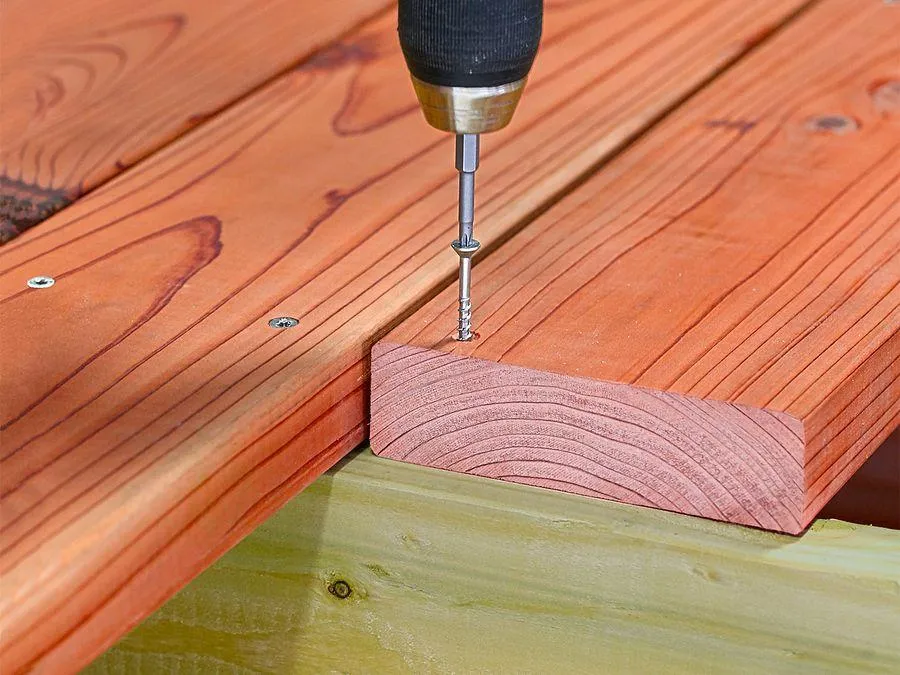
Have you ever wondered why some deck boards start squeaking or coming loose after just a few seasons? The secret often lies in those tiny but mighty fasteners we call deck screws.
Welcome to your comprehensive guide to understanding and choosing the right deck screws for your project. Let's transform your outdoor space into a lasting masterpiece.
Why Your Choice of Deck Screws Matters
Think about it - your deck needs to withstand scorching summers, freezing winters, and everything in between. The right deck screws act like the unsung heroes holding everything together.
According to the North American Deck and Railing Association, deck failures often result from improper fastener selection. Let me share a story that might sound familiar: my neighbor Tom used regular wood screws for his deck, and within two years, rust stains were running down his beautiful cedar boards. Don't let this happen to you!
Understanding Different Types of Deck Screws
When it comes to stainless steel deck screws, you're making an investment in longevity. The International Association of Certified Home Inspectors emphasizes that proper fastener selection can extend a deck's lifespan by decades. These corrosion-resistant champions come in several grades:
Type 305 Stainless Steel
The most common grade of stainless deck screws, these provide excellent resistance to rust and corrosion in most environments. Type 305 stainless steel offers the perfect balance of durability and cost-effectiveness for most residential deck projects. Think of them as your reliable daily defender against the elements.
Type 316 Marine Grade
For coastal areas or around pools, these premium stainless steel deck screws offer superior protection against salt and chemicals. The International Code Council recommends Type 316 for any structure within 3,000 feet of saltwater. They're like having a marine-grade shield for your deck.
The Science Behind Proper Installation
Installing deck screws isn't just about driving them in and hoping for the best. The Simpson Strong-Tie Technical Bulletin highlights that proper installation can increase pull-out strength by up to 25%. Let's break down the essential steps that professionals use:
Pre-drilling Technique
Before you begin installing those deck screws, remember this crucial step. Pre-drilling helps prevent splitting and ensures your screws sit perfectly flush. Research from the Forest Products Laboratory shows that pre-drilling can reduce wood splitting by up to 85%. The proper depth should be about 75% of the screw length.
Spacing Guidelines
A proper deck screw guide follows these spacing rules based on International Residential Code (IRC) recommendations:
Edge distance: Keep screws at least 3/4 inch from board edges
End distance: Place screws no closer than 1 inch from board ends
Between screws: Space them 6 inches apart on each joist
Choosing the Best Deck Screws for Your Project
What makes the best deck screws stand out? According to Professional Deck Builder Magazine, the answer lies in understanding your specific needs:
Material Compatibility
Your decking material should guide your screw selection. Cedar and redwood, for instance, require special consideration due to their natural acids that can react with certain metals. The Western Red Cedar Lumber Association recommends only high-grade stainless steel fasteners for these species.
Climate Considerations
If you live in an area with high humidity or near saltwater, investing in high-grade stainless deck screws becomes even more critical. The American Society of Civil Engineers notes that proper fastener selection can double the lifespan of exterior wood structures in harsh environments.
Common Mistakes to Avoid
When working with deck screws, watch out for these pitfalls :
Over-driving the screws (which can weaken the hold)
Using the wrong screw length
Skipping the pre-drilling step
Mixing different types of screws
The deck building nails vs screws debate is worth settling before you even start your project — screws generally win out for decking boards since they offer stronger holding power and are far easier to remove for repairs or board replacement down the line, while nails can work loose over time as the wood expands and contracts with weather changes.
Advanced Installation Tips
Here are some insights for installing deck screws:
Temperature Considerations
Install your deck screws when the temperature is between 40°F and 90°F (4°C-32°C). Extreme temperatures can affect both the wood and the driving characteristics of the screws.
Proper Tools
Using the right driver bit makes a significant difference. The Power Tool Institute recommends using new, properly sized bits to prevent cam-out and ensure proper seating.
Maintenance Tips for Long-lasting Results
Your deck screws need occasional attention too. Here's how to keep them performing their best:
Regular Inspection
The Deck Safety Month Alliance recommends checking your deck screws annually for signs of:
Corrosion or rust
Loosening
Pop-up heads
Split wood around the screw
Preventive Measures
Apply a protective coating to your deck surface every few years, being careful not to clog the screw heads. According to Consumer Reports, this helps your stainless steel deck screws maintain their integrity longer.
Conclusion
Whether you're building a new deck or maintaining an existing one, understanding deck screws is crucial for creating a safe, lasting structure. Remember, the small details make the biggest difference in construction.
By choosing the right screws and installing them properly, you're not just building a deck - you're creating a lasting outdoor space for making memories.
Remember to always consult local building codes and manufacturers' specifications when selecting and installing your deck screws. Happy building!
If you're in Cape Coral/Fort Myers or Greensboro check our local service page for pricing

© 2026 | All Rights Reserved | Privacy Policy