
Is It Better to Stain or Paint a Deck? The Complete Guide
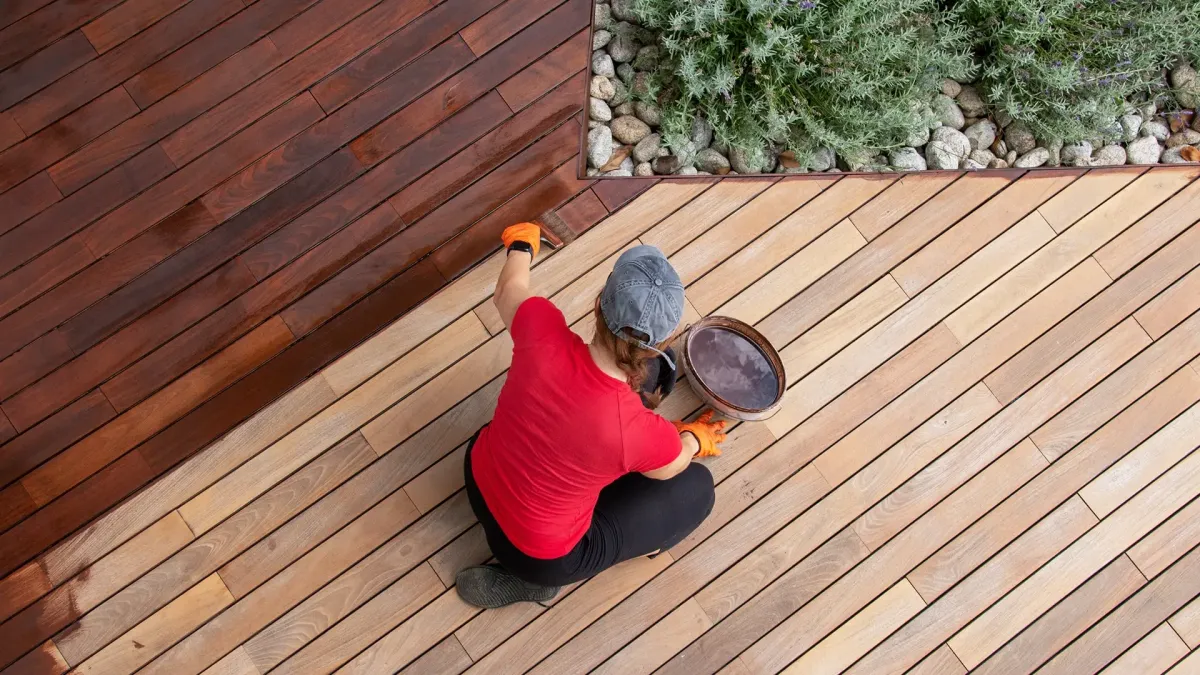
Looking out at your weathered deck and wondering what to do next? You're not alone!
Many homeowners stand where you are right now, trying to decide: is it better to stain or paint a deck? This choice can feel overwhelming when you just want your outdoor space to look great and last for years.
We understand your confusion. With so many products and opinions out there, making the right choice for your deck can seem impossible.
But don't worry! This guide will walk you through everything you need to know to make the best decision for your specific situation.
Understanding the Difference Between Stain and Paint
Before deciding whether to stain or paint, let's understand what makes them different:
What is Deck Stain?
Deck stain is a protective finish that:
Soaks into the wood
Enhances natural wood grain
Comes in transparent, semi-transparent, or solid colors
Usually needs reapplication every 2-3 years
According to the Forest Products Laboratory, stains penetrate the wood surface while allowing the wood to breathe.
What is Deck Paint?
Deck paint is a protective coating that:
Enhances the natural wood grain
Prevents discoloration and graying
Gives your deck a fresh, well-kept look
The Paint Quality Institute explains that paint forms a protective layer that shields wood from moisture and UV damage.
Factors to Consider When Choosing Between Stain and Paint
How do you decide is it better to paint a deck or stain it? Consider these important factors:
1. Current Condition of Your Deck
New deck: Either option works well
Old deck with minor damage: Both can work with proper prep
Old deck with significant damage: Paint may hide imperfections better
This Old House recommends examining your deck carefully before deciding. Serious splintering or rotting may need repair before either treatment.
2. Your Climate
Hot, sunny areas: Stain may need more frequent reapplication
Rainy, humid regions: Paint provides better moisture protection
Freeze/thaw cycles: Paint may crack and peel more easily
The National Weather Service notes that UV exposure and moisture are the main enemies of outdoor wood.
3. Your Desired Look
Natural wood appearance: Choose stain
Bold, solid colors: Choose paint
Somewhere in between: Consider solid stain (a hybrid option)
Step-by-Step Guide to Decide: Stain or Paint?
Follow these steps to determine whether it's better to paint or stain an old deck
Examine your deck's current condition. Look for cracks, splinters, rot, or other damage.
Consider how much time you want to spend on maintenance. Paint lasts longer but is harder to redo; stain needs more frequent application but is easier to reapply.
Think about your desired appearance. Do you love the look of natural wood or prefer a specific color?
Check your local climate. More extreme weather may influence your decision.
Calculate your budget for both immediate costs and long-term maintenance.
Pros and Cons of Staining Your Deck
Pros of Staining:
Shows off natural wood grain and texture
Easier to apply without specialized tools
Doesn't peel or chip like paint
Easier to maintain and reapply
Better for newer decks in good condition
According to Consumer Reports, stains are generally more forgiving for DIY application.
Cons of Staining:
Requires more frequent reapplication (every 2-3 years)
Offers less protection against moisture
Limited color options compared to paint
Doesn't hide imperfections as well
May not work as well on older, damaged decks
Pros and Cons of Painting Your Deck
Pros of Painting:
Lasts longer (5-10 years with proper prep and application)
Provides better protection against moisture and UV damage
Offers unlimited color options
Hides imperfections in older wood
Creates a smooth, uniform appearance
The American Coatings Association notes that quality exterior paints now include technology to resist cracking and peeling.
Cons of Painting:
Hides natural wood grain completely
Can peel and chip over time
More difficult to reapply (requires stripping old paint)
Needs more prep work before application
Can be slippery when wet without additives
How to Prepare Your Deck for Either Option
Whether you choose stain or paint, proper preparation is essential:
Clean the deck thoroughly. Remove all dirt, mildew, and debris.
Replace any rotted or damaged boards.
Sand rough areas and splinters to create a smooth surface.
Remove old finish if necessary (especially important for paint).
Allow wood to dry completely before applying any product.
If you're prepping a newer deck for its first finish, this is also a good opportunity to double-check your deck layout for any furniture placement, traffic paths, or zones that might affect how evenly you apply product — high-traffic walkways, for instance, will wear down finish faster and may need more frequent touch-ups than a quiet corner reading nook.
The U.S. Environmental Protection Agency recommends using environmentally friendly cleaning products that won't harm plants or animals around your deck.
Which Lasts Longer: Stain or Paint?
When considering is it better to stain or paint a deck, durability is important:
Paint typically lasts 5-10 years with proper preparation and quality products
Stain generally lasts 2-3 years before needing reapplication
Solid stains fall in between, lasting 3-5 years on average
According to Better Homes & Gardens, the extra preparation time for paint pays off with longer-lasting results.
Cost Comparison: Stain vs. Paint
Let's break down the costs:
Initial Application Costs:
Stain: Generally less expensive per gallon ($25-$50)
Paint: More expensive per gallon ($30-$60)
Labor: Professional application costs similar for both
Long-term Costs:
Stain: Lower initial cost but more frequent reapplication
Paint: Higher initial cost but less frequent reapplication
Preparation: Paint may require more extensive prep when it's time to redo
The National Association of Home Builders suggests considering the lifetime cost rather than just the initial investment.
Easy Maintenance Tips for Your Deck
Regardless of which option you choose:
Clean your deck thoroughly at least once a year
Remove leaves and debris regularly
Fix damage promptly before it spreads
Follow manufacturer recommendations for reapplication
Consider a maintenance coat before problems appear
Conclusion
So, is it better to stain or paint a deck? The answer depends on your specific situation. Stain is perfect if you love natural wood appearance and don't mind more frequent maintenance. Paint offers better protection and longevity but hides the wood's natural beauty.
We recommend stain for newer decks in good condition when you want to showcase the wood grain.
Choose paint for older decks, longer-lasting protection, or when you want specific colors.Whatever you decide, proper preparation and quality products will help ensure your deck looks beautiful and lasts for many years.
Have you made your decision about whether it's better to stain or paint a deck? We'd love to hear which option you chose in the comments below!
If you're in Portland or Spokane check our local service page for pricing

© 2026 | All Rights Reserved | Privacy Policy